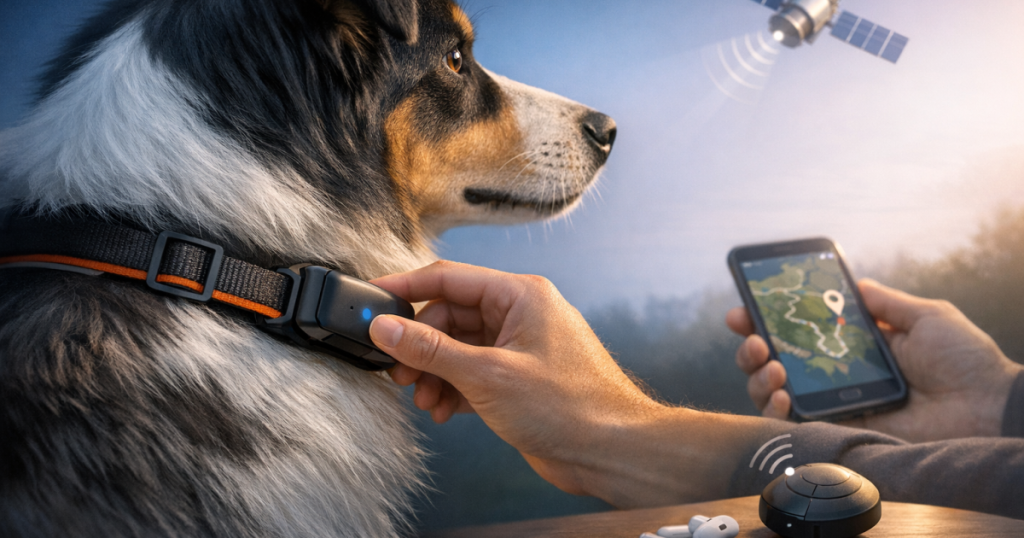
How to Set Up a GPS Collar for Tracking Dog Activities
Setting up a GPS collar for tracking your dog’s activities can really help keep them safe and bring you peace of mind. With the right collar, you can keep an eye on your dog’s location, monitor their activity levels, and make sure they’re not getting into any trouble. Here’s a handy guide to help you set up your GPS collar effectively. If you’re comparing options, focus on what matters most for set up a GPS collar.
At a glance
- Choose the right GPS collar that suits your dog’s size and activity level.
- Fully charge the GPS collar before its first use.
- Download the corresponding mobile app to monitor your dog’s activities.
- Create an account and pair your collar with your smartphone or device.
- Set up zones for alerts, such as safe zones and no-go areas.
- Regularly check the collar for updates and functionality.
- Track your dog’s activity levels through the app.
Step-by-Step Guide to Setting Up a GPS Collar
1. Choose the Right GPS Collar
Your first task is to pick a GPS collar that matches your dog’s size and activity level. Consider options like the Whistle Go Explore (check price on Amazon) or the Tractive GPS, both known for their excellent tracking capabilities. Make sure the collar is comfortable and fits securely around your dog’s neck.
2. Charge the GPS Collar
Before putting the collar to use, be sure to charge it fully as per the manufacturer’s instructions. A well-charged collar ensures reliable performance, especially if you’re planning longer outings.
3. Download the App
Most GPS collars work alongside a mobile app. Simply search for the relevant app in your device’s app store, whether you’re using Android or iOS. Download and install it to begin.
4. Create an Account
After installing the app, create an account by entering your email address and choosing a password. Follow the app’s instructions to link it with your GPS collar.
5. Pair the Collar with Your Device
The pairing process is usually straightforward, guided by the app. You may need to press a button on the collar or follow prompts on-screen. Once paired, you’ll gain access to real-time data about your dog’s movements and activities.
6. Set Up Safe Zones
Many GPS collars let you set up safe zones where your dog can roam about freely without concern. You can also configure no-go areas, receiving automatic notifications if your dog ventures outside these boundaries.
7. Regular Monitoring
Once everything is set up, regularly check your dog’s activity through the app. You’ll be able to track their movements, monitor their exercise levels, and keep tabs on when they last ate or drank. This continuous monitoring can help you adjust their routines as necessary.
Key takeaways
- Choose a GPS collar that suits your dog’s comfort and activity needs. (especially for set up a GPS collar)
- Ensure the collar is fully charged before use for dependable tracking.
- Utilise the mobile app to keep track of activities and receive alerts.
- Establish safe zones and no-go areas for added peace of mind.
- Regularly update the collar and app for optimal performance.
FAQ
How do GPS collars work?
GPS collars utilise satellite signals to determine your dog’s location and relay that information to your smartphone or device through an app.
Are there any subscription fees for GPS collars?
Some GPS collars do have monthly subscription fees for full functionality. If you’re keen to steer clear of those, you might want to check out options like the best dog trackers without subscription fees.
Can GPS collars track my dog at night?
Absolutely! Most GPS collars are designed to function well in low-light conditions, enabling you to track your dog around the clock.
How accurate are GPS collars?
Generally, GPS collars are quite accurate, typically providing real-time updates with a margin of error that may be as small as a few metres.
Where can I find the best tracking devices for dogs?
For a range of options and comparisons, take a look at our article on finding the best tracking device for your dog.
When choosing a GPS collar, it’s important to think about the features that will fit best with your lifestyle and your dog’s unique needs. For example, if your furry friend is particularly adventurous or has a tendency to wander off, you might want a collar with a long-lasting battery and advanced geofencing capabilities. Additionally, some collars also offer health tracking features that monitor things like heart rate and sleep patterns, providing you with valuable insights about your dog’s well-being.
Aside from the initial setup, maintaining your dog’s collar in top condition is key. Regularly check for signs of wear and tear, especially if your dog enjoys exploring rugged environments. An inspection will help ensure the collar remains functional and securely fastened. Don’t forget to update the app and collar firmware regularly as well; these updates can enhance performance and introduce new features, keeping your dog’s safety prioritised.
Finally, consider joining online community discussions or local dog-owner groups to share experiences and tips on making the most of GPS collars. Engaging with others can offer fresh perspectives and suggestions for optimising your collar use, ensuring both you and your furry companion benefit from the technology available.
Related reading
- AKC vs Fi Smart Dog Collar: A Comprehensive Comparison
- The Best GPS Dog Trackers Compared for 2026
- How GPS Dog Trackers Work Effectively