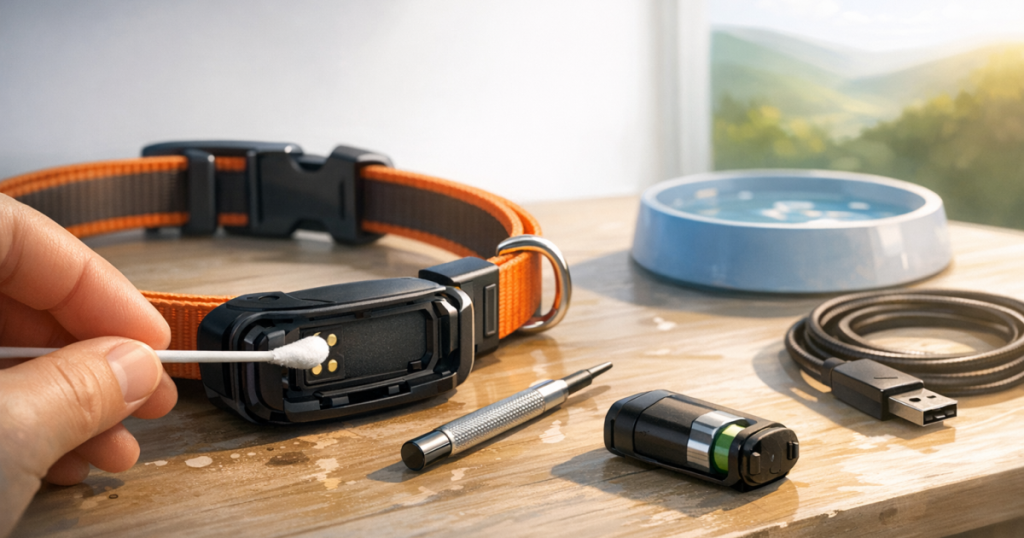
Essential Maintenance for Your GPS Dog Tracker
To keep your furry companion safe, it’s vital that your GPS dog tracker is well-maintained. Regular upkeep not only ensures optimal performance but also extends the lifespan of your device. Here’s what you need to know about caring for your GPS dog tracker. If you’re comparing options, focus on what matters most for maintenance for GPS dog trackers.
At a glance
- Check the battery life regularly and recharge when necessary.
- Confirm that the tracker has a good GPS connection.
- Update the device’s firmware whenever prompted.
- Keep the tracker clean and dry to prevent damage.
- Periodically test the GPS functionality.
- Consider your specific use case, as different activities may require unique maintenance checks.
Regular Battery Checks
The reliability of your GPS dog tracker hinges on its battery. Most models run on rechargeable batteries, making regular battery checks essential.
Here are some tips to help prolong battery life:
- Follow the manufacturer’s charging guidelines, usually after a few days or following heavy use.
- Try to avoid letting the battery fall to 0%. Ideally, keep it charged between 20-80% for better longevity.
- If your device features a battery-saving mode, use it when the tracker isn’t in active use.
- For more detailed advice on battery maintenance, take a look at our guide on essential tips for maintaining battery life.
GPS Connectivity
Your GPS tracker’s effectiveness is largely dependent on its connectivity. Regularly checking the following can help:
- Ensure your tracker is powered on and positioned where it can receive a strong GPS signal—open areas away from dense trees or tall buildings work best.
- Test the device in various environments to gauge signal strength, particularly if your dog enjoys venturing into different terrains.
- If you face connectivity problems, you can find tips on how to improve GPS accuracy.
Firmware Updates
Keeping your GPS dog tracker’s firmware up to date is essential for optimal operation and access to the latest features. Regularly check for updates via the associated app or the manufacturer’s website, and make this a routine part of your maintenance.
Physical Care
Maintaining the physical condition of your tracker is just as important:
- Clean the device with a soft, damp cloth to remove dirt and grime, ensuring you stay clear of harsh chemicals that could damage it.
- Keep the tracker dry. If it accidentally gets wet, dry it off promptly to avoid internal damage.
- If your dog is particularly adventurous or enjoys tricky terrains, consider investing in a protective case.
Testing Functionality
Regularly testing your GPS tracker ensures it works as it should:
- Check its tracking capabilities by setting up the app and monitoring real-time updates.
- Carry out a location test monthly in a safe, open area to verify consistent functionality.
- If you experience any issues, consult our guide on troubleshooting common GPS problems.
Understanding Your Use Case
Different activities impose various demands on your GPS dog tracker. For example, if your dog loves long hikes, the tracker may need more frequent charging due to increased GPS usage. Conversely, if your dog mainly stays indoors, you might not need as many checks. Adapting your maintenance routine to fit your dog’s lifestyle will help keep the tracker dependable.
Consider the settings where your dog will explore. Urban areas may require more frequent updates to account for taller buildings that could block signals, while rural locations typically offer clearer tracking paths. Keeping these factors in mind can help you stay ahead with maintenance.
Monitoring Tracker Performance
Incorporating regular performance checks can significantly enhance your GPS tracker’s reliability. Use your app to monitor not just connectivity, but also tracking accuracy. Documenting any discrepancies you notice can alert you to potential issues or the need for firmware updates. Regular performance checks can prevent more significant problems from arising later.
Related reading
- How to Improve GPS Accuracy for Dog Trackers
- Essential Steps to Troubleshoot Common GPS Dog Tracking Issues
- Essential Tips for Maintaining the Battery Life of Your GPS Dog Tracker
Key takeaways
- Regularly check and maintain the battery life for consistent reliability. (especially for maintenance for GPS dog trackers)
- Confirm GPS connectivity by testing in varied environments.
- Keep your GPS tracker clean and dry at all times.
- Incorporate firmware updates into your routine, as this boosts performance.
- Routine functionality testing helps you spot potential issues early on.
FAQ
How often should I charge my GPS dog tracker?
It’s best to charge your GPS dog tracker every few days or after heavy use to prevent the battery from running low.
What should I do if my GPS tracker is not connecting?
Ensure it’s powered on, check the app settings, and make sure you’re in an area with a clear view of the sky. You can also look at guides on improving connectivity.
How can I clean my GPS tracker safely?
Use a soft, damp cloth for cleaning and steer clear of any chemicals that could damage the device.
Is it necessary to test the GPS functionality?
Absolutely! Regular testing confirms that your tracker is working reliably, especially before heading out on adventures with your dog.
What’s a good way to extend my GPS tracker’s battery life?
Maintaining the battery between 20-80% and utilising power-saving modes can significantly extend its lifespan.
Where can I learn more about GPS tracker features?
You can discover essential features suitable for large dogs here.