How to Extend Your GPS Dog Tracker’s Battery Life
Based on: Mentioned in this article
If you’re dependent on your GPS dog tracker, you might be keen to prolong its battery life. These gadgets are essential for keeping your furry friend safe, but a bit of proper care can really help in maintaining their efficiency for longer. Here are some useful tips and tricks to enhance your tracker’s battery performance. If you’re comparing options, focus on what matters most for extend GPS dog tracker battery life.
At a glance
- Regularly check the battery health.
- Reduce the use of live tracking.
- Keep the software updated.
- Store the device correctly when not in use.
- Take advantage of power-saving modes, if available.
- Limit notifications and alerts.
1. Regular Battery Checks
Checking the battery health of your GPS dog tracker on a regular basis is quite crucial. Batteries can lose their power over time, affecting overall performance. If you find the battery depleting more quickly than normal, it may well be time for a replacement. Many models feature user-replaceable batteries, so consult your manual for instructions.
2. Minimise Live Tracking
Real-time tracking is a feature found in many GPS dog trackers, but it can really burn through battery life. If you’re not actively tracking your dog, think about switching to a less power-hungry mode. Most devices let you set how often location updates are sent, so adjust those settings to suit your needs.
3. Keep Software Updated
Manufacturers often roll out updates aimed at enhancing functionality and battery management. Make sure your tracker’s firmware is current to take advantage of any benefits. You can check for updates through the companion app or on the manufacturer’s website.
4. Proper Storage
When you’re not using your GPS dog tracker, store it in a cool, dry location. Try to avoid leaving it in direct sunlight or in a hot setting, as these extreme conditions can negatively affect battery life. If you’re planning not to use the tracker for a while, fully charge it, then let it discharge before putting it away safely.
5. Utilise Power-Saving Modes
Many modern GPS dog trackers come equipped with power-saving features. These may include options to lower tracking frequency or switch off non-essential features. Engaging these modes when your dog is resting or at home can substantially improve battery life. Check your tracker’s settings to find this option.
6. Limit Notifications and Alerts
Although alerts for geofencing and activity tracking are handy, they can quickly drain your battery. Tailor these notifications so you only receive updates that are truly essential, helping the device use less power. For example, you might go without alerts for minor activities.
7. Choose Accessories Wisely
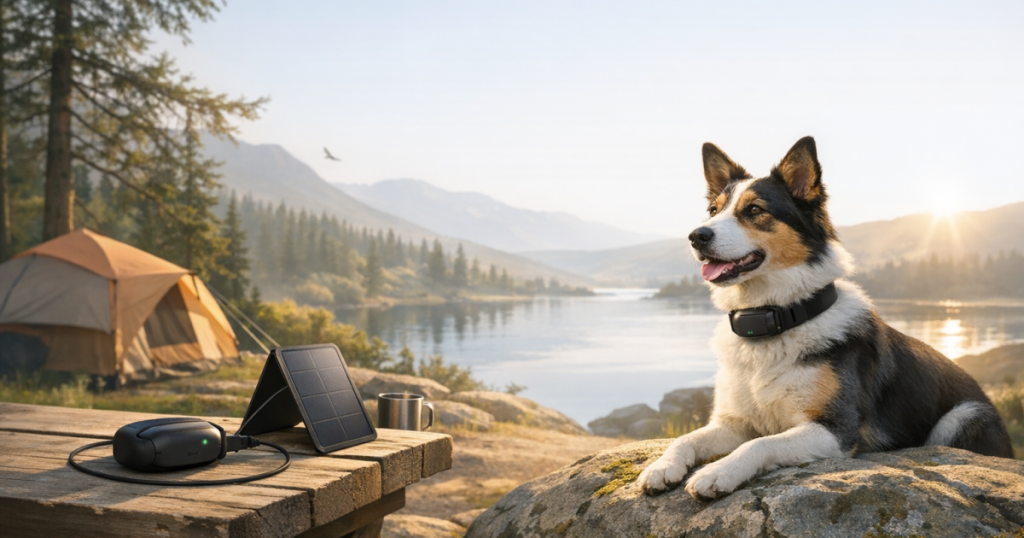
When selecting accessories for your GPS dog tracker, think about how they might influence battery consumption. For instance, opting for a solar charger can be a fantastic way to keep the device charged without relying exclusively on traditional power sources. Additionally, some protective cases may offer features that further optimise battery performance, like insulation against extreme temperatures.
8. Monitor Environmental Factors
Environmental conditions can also have an impact on the battery life of your GPS dog tracker. Cold weather, for instance, can result in quicker battery drainage. If you know you’ll be in chillier conditions, aim to keep the tracker warm or close to your pet’s body to ensure improved performance. Using a small pouch or harness can provide some warmth to the device while still allowing it to work correctly.
9. Explore Tracking Alternatives
If you’re still concerned about battery life, consider alternative tracking methods that might use less power. Some trackers let you schedule specific times for tracking throughout the day, finding a balance between safety and battery preservation. You might also look into choosing dogs that typically stay close by if you have the option to select a pet with lower wandering tendencies.
Related reading
- The Main Benefits of GPS Dog Trackers for Pet Owners
- How GPS Dog Trackers Enhance Pet Safety
- How GPS Dog Trackers Harness Satellite Technology
Key takeaways
- Regularly check the battery and replace if necessary. (especially for extend GPS dog tracker battery life)
- Minimise reliance on live tracking functions.
- Keep your device’s software updated.
- Store your tracker under suitable conditions.
- Enable power-saving modes for extended use.
FAQ
How can I tell if my GPS dog tracker battery is dying?
Watch out for signs like needing to charge it frequently or unexpected shutdowns. Monitoring its performance via the app can also give you clues about the battery’s health.
Is it better to keep my GPS dog tracker charged all the time?
While keeping it charged is beneficial, overcharging can wear the battery out. Aim for a good balance of use and charging according to your needs.
Can I use a power bank to charge my GPS dog tracker?
Most GPS dog trackers can indeed be charged with a power bank, as long as it has the right connection type. Just double-check compatibility before you proceed.
What should I do if my dog tracker is not holding a charge?
If your tracker isn’t holding a charge, consider getting a new battery or checking for software updates that could help improve performance. If the problem continues, reach out to the manufacturer for assistance.
Do all GPS trackers have power-saving modes?
Not every GPS dog tracker includes this feature, so it’s worth checking the specifications of your device. If available, make sure to use it to help extend your battery life.