Introduction
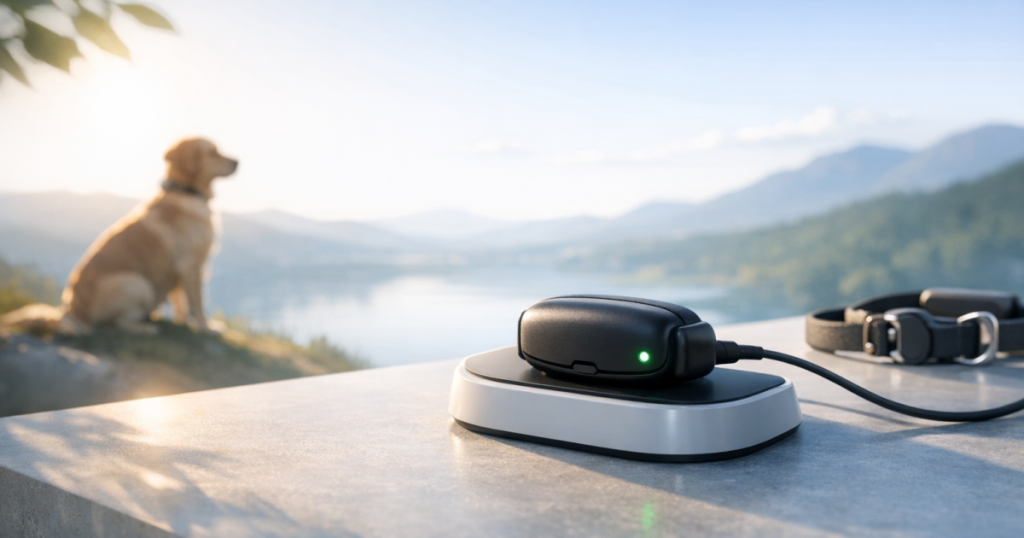
A dependable GPS dog tracker is key to keeping your beloved pet safe, but constant tracking can really take it out of the battery. That’s why looking after your GPS dog tracker battery is so important for uninterrupted tracking. Here are some handy tips to help you extend battery life and ensure your device performs at its best. If you’re comparing options, focus on what matters most for maintaining GPS dog tracker battery.
At a glance
- Comprehend how GPS tracking impacts battery life.
- Update your device’s software regularly.
- Reduce the use of unnecessary features.
- Keep charging ports clean and tidy.
- Store the device properly when not in use.
- Take advantage of battery-saving settings.
- Check battery health on a regular basis.
Understanding Battery Consumption
GPS trackers are always communicating your pet’s location, which can be quite demanding on the battery. There are several factors that can affect how long the battery lasts, like signal strength, how often you set tracking, and features such as real-time alerts. If your device allows it, try experimenting with different settings to find a good balance between accurate tracking and battery use.
Regular Software Updates
Keeping your GPS dog tracker’s software up to date is really important. Manufacturers regularly roll out firmware updates that can boost performance and efficiency. Make it a habit to check for updates through the mobile app or the manufacturer’s website. This simple action can lead to significant enhancements in battery management.
Limit Unnecessary Features
Many GPS dog trackers come packed with features that you might not always need. Things like live tracking, temperature alerts, or fitness features can use up battery power quite quickly. It’s a good idea to switch off any extras you don’t need regularly, as this can help extend your device’s battery life.
Regular Charging and Port Maintenance
It’s essential to ensure that charging ports are clean and free from dust and debris. Dust can mess with the charging process, leading to poor power transfer and possibly shortening battery lifespan. Regularly give the contact points a quick clean with a soft brush or cloth.
Proper Storage Practices
When you’re not using the GPS tracker, store it in a cool, dry place. Extreme temperatures can have a negative impact on battery performance and longevity. If you’re taking a break from using the tracker, aim to charge it to about 50% before storing it away, as this is the ideal level for maintaining battery health.
Utilising Battery-Saving Settings
Many GPS trackers offer battery-saving modes. These settings can reduce the frequency of location updates or limit features when the device is inactive. Check your device’s user manual or app for options that can help you save battery life.
Monitor Battery Health
It’s wise to keep an eye on your battery’s performance over time. Most devices will indicate the battery level, but take note if you see significant drops. If you find the battery consistently drains quickly, it may be worth reaching out to the manufacturer or considering a replacement.
Additionally, think about using your GPS dog tracker a bit more strategically. If your dog tends to stay indoors or in familiar areas, continuous real-time tracking may not be necessary. Instead, you could set your tracker to update its location at intervals, saving valuable battery life while still keeping an eye on your furry companion. This is particularly useful in urban settings where GPS signals can be a bit hit or miss.
Don’t forget to explore the different models available on the market. Some, like the Tractive GPS Tracker (check price on Amazon), come equipped with advanced battery management features and long battery life, letting you enjoy peace of mind without the constant worry about recharging. When making your choice, always look for user reviews focused on battery performance to help you make a well-informed decision.
It might also be beneficial to develop a routine of charging your GPS tracker at specific times, such as in the evenings while you’re at home or when you’re busy with other tasks. This way, you can ensure it’s always charged and ready for your next outdoor escapade.
Related reading
- Top Tips to Extend the Battery Life of Your GPS Dog Tracker
- Improving the Accuracy of Your GPS Dog Tracker
- Heartwarming Tales: How GPS Dog Trackers Helped Lost Pets Return Home
Key takeaways
- GPS tracking drains battery; optimising settings is essential. (especially for maintaining GPS dog tracker battery)
- Regular updates can significantly boost performance.
- Limit unnecessary features to save battery life.
- Keep charging ports clean for efficient power transfer.
- Store the device properly to prolong battery health.
- Make use of battery-saving modes when available.
FAQ
How often should I charge my GPS dog tracker?
It’s best to charge your device whenever the battery level dips below 20% to maintain reliable performance.
Can I leave my GPS tracker on all the time?
While it’s certainly possible, keeping it on all the time can quickly lead to battery drain; consider using battery-saving settings instead.
What should I do if my battery drains too quickly?
If you notice rapid battery drainage, check for any unnecessary features that might be switched on, and ensure your device’s software is up to date.
Is storing my GPS dog tracker in hot weather bad for the battery?
Absolutely, extreme heat can be harmful to batteries, so it’s important to keep the device in a cool environment.
How can I tell if my GPS dog’s tracker battery is failing?
Signs of a failing battery include quick drainage and difficulty holding a charge; if you notice these issues, reach out to the manufacturer for assistance.