At a glance
- GPS technology offers real-time tracking for your dog.
- Satellites enable GPS systems to identify locations with remarkable precision.
- Most trackers come with 2G, 3G, or 4G cellular networks for timely updates.
- Some GPS trackers work with mobile apps for convenient monitoring.
- Battery life varies; features such as activity monitoring might use more power.
- Advanced features often include geofencing and fitness tracking for your pets.
Getting to know the technology behind GPS dog trackers is essential for pet owners who want to keep their furry companions safe. These devices are designed to monitor your dog’s location, giving you peace of mind whether you’re out for a stroll or if they decide to wander off. The technology is truly fascinating, blending satellite navigation with modern cellular systems so you can pinpoint your pet’s whereabouts at a moment’s notice.
How GPS Trackers Work
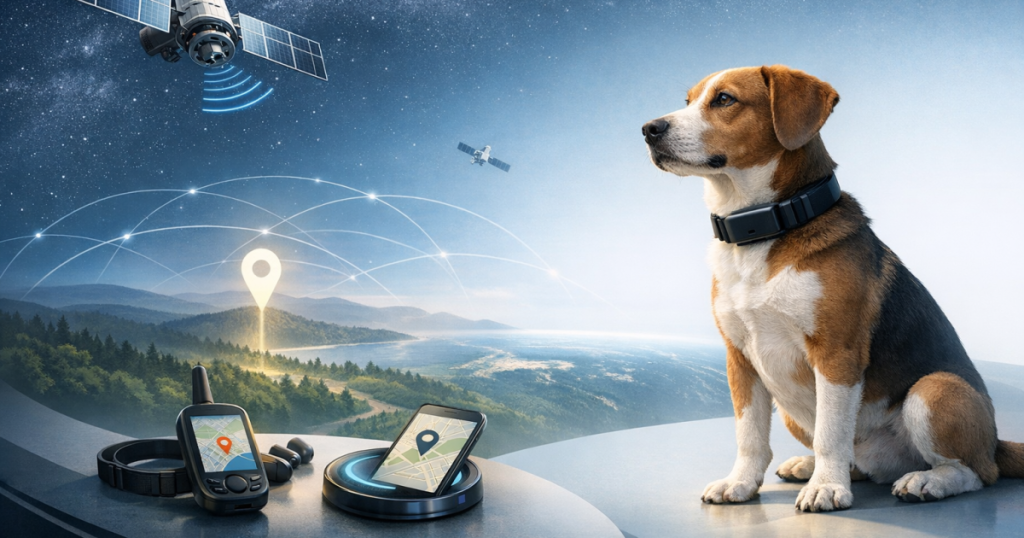
GPS, or Global Positioning System, operates through a network of satellites that circle the Earth. The GPS receiver—integrated within your dog tracker—communicates with at least four satellites to calculate its position, providing real-time information about your dog’s location.
Most GPS dog trackers utilise cellular networks (like 2G, 3G, or 4G) to relay this location data to a smartphone app or web platform, so you can find out where your dog is at any time. If you’re thinking of getting one, consider these additional technologies:
- Cellular Connectivity: Ensure it supports your local networks; otherwise, tracking may not be effective.
- Battery Technology: Look for long-lasting, rechargeable batteries, particularly if you plan to use the device often.
- Activity Monitoring: Some trackers keep tabs on how much exercise your dog gets, which is a handy feature for health-conscious owners, like the Whistle GO Explore (check price on Amazon).
- Geofencing: This feature lets you set safe zones, sending alerts if your pet strays beyond these boundaries.
Understanding GPS Dog Tracker Components
To track effectively, a GPS dog tracker incorporates several key components:
- GPS Receiver: This tracks your dog’s location using satellite signals.
- Cellular Modem: This sends location details to your smartphone or computer.
- Power Source: Typically a rechargeable battery that’s easy to charge and can endure extensive use.
- Companion App: This allows you to see real-time locations and track activity levels on your smartphone or tablet.
When looking for a GPS dog tracker, it’s wise to check how user-friendly the app is. Clear maps and intuitive navigation can significantly enhance your tracking experience.
Choosing the Right GPS Dog Tracker
As you consider a GPS dog tracker, it’s helpful to jot down the features that suit your needs. Is real-time tracking crucial for you, or are health monitoring features more important? Some devices are all about speed and accuracy, while others shine in battery life or additional functionalities. You might want to explore reviews of popular options, such as the Dogtra GPS Dog Tracker, to see how they perform in real-world scenarios.
Key takeaways
- GPS dog trackers leverage satellite systems for precise location tracking. (especially for technology behind GPS dog trackers)
- Cellular connectivity is essential for receiving real-time updates on your devices.
- Think about features like geofencing and activity monitoring based on your dog’s routine.
- Battery life and durability should be key considerations when making your purchase.
- Always opt for a device compatible with local cellular networks.
FAQ
How accurate are GPS dog trackers?
GPS dog trackers generally provide location data accurate to within a few metres, depending on the signal quality and the number of satellites in view.
Do GPS dog trackers require a subscription?
Many GPS trackers do require a subscription to access cellular services for real-time updates, so it’s wise to check this before you buy.
Can GPS trackers work without a mobile app?
While some GPS dog trackers can operate independently, most offer enhanced features and benefits when used with a mobile app.
How can I ensure my GPS tracker has global coverage?
Make sure to check if the tracker supports multiple cellular networks and countries to guarantee seamless tracking while you travel.
A standout feature of many contemporary GPS dog trackers is their integration with health monitoring capabilities. For example, some devices can track not just location but also how active your dog is each day. This information is incredibly useful for maintaining your pet’s health, especially if they’re older or have specific exercise needs. By keeping an eye on their activity levels, you can tailor their exercise routine to ensure they remain healthy and happy.
Additionally, the durability of the GPS tracker is something to consider, especially if your dog loves outdoor adventures. Many devices are built to be waterproof and shockproof, providing peace of mind during those wet walks or energetic play sessions. Features like robust collar attachments and the ability to withstand different weather conditions are crucial for active pets.
Besides tracking fitness and location, some GPS dog trackers even include social sharing options. This allows you to share your dog’s location with friends or family in real-time, making it easier to keep track of your furry friend during outings. Plus, you can receive alerts directly to your phone if any unusual activity occurs, adding an extra layer of security.
Related reading
- Real-Life Benefits of GPS Dog Trackers for Lost Pets
- Dogtra GPS Dog Tracker Review: Precision and Reliability for Your Pet
- Whistle GO Explore vs Tractive GPS Tracker: A Comprehensive Comparison