Understanding GPS Technology
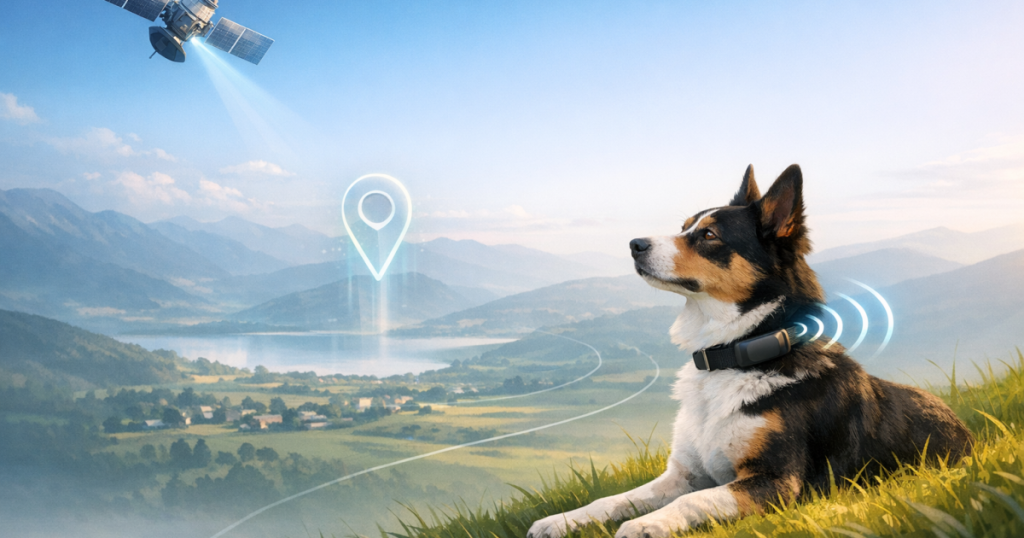
GPS (Global Positioning System) technology has become an invaluable asset for pet owners. By harnessing the power of satellites, it offers real-time location tracking, ensuring you can quickly find your dog if they happen to wander off. But how does a GPS dog tracker actually function? Grasping the fundamentals can assist you in making well-informed decisions for your furry companion. If you’re comparing options, focus on what matters most for how GPS dog trackers work.
At a glance
- GPS dog trackers utilise satellites to pinpoint your dog’s location.
- They generally communicate using mobile networks or radio signals.
- Most come equipped with features like live tracking and geofencing.
- Battery life can vary depending on the model and usage patterns.
- Some devices are designed to be waterproof and robust for those outdoor adventures.
The Working Mechanism
GPS dog trackers work through a blend of GPS satellites, mobile networks, and your smartphone or computer. Here’s a step-by-step rundown:
- Satellite Communication: GPS dog trackers pick up signals from satellites orbiting the Earth. Typically, four satellites are needed to accurately calculate a location through triangulation.
- Location Data Transmission: Once the location is identified, the device sends this information. Depending on its specifications, it may use mobile data networks (in cellular models) or radio signals (in non-cellular models).
- Real-Time Tracking: The gathered information is transmitted to an app on your smartphone, allowing you to see your dog’s location in real time.
- Geofencing Features: Many trackers enable you to create virtual boundaries. If your dog strays beyond this area, you’ll receive immediate alerts.
Choosing the Right Tracker
When selecting a GPS tracker for your dog, it’s important to consider key features. Here are some helpful tips:
- Battery Life: Look at the battery life specifications and choose devices that last longer, especially if your dog is quite active.
- Durability: Make sure it’s sturdy enough, particularly if your dog loves to play outdoors. Waterproof options can be a definite plus.
- Compatibility: Ensure the tracker works harmoniously with your smartphone or any smart devices you intend to use.
- Additional Features: Consider extras like health monitoring or activity tracking, which can provide further insights into your dog’s overall wellbeing.
- If you’re after a dependable tracker with fantastic features, Loc8tor GPS Dog Tracker (check price on Amazon) is an excellent option.
Key takeaways
- GPS dog trackers give pet owners peace of mind through real-time location tracking. (especially for how GPS dog trackers work)
- Understanding their operation helps you select the right device for your dog.
- Tailor your choice of features based on your dog’s lifestyle and specific needs.
- Keep an eye on battery life and device status to ensure optimal performance.
When choosing a GPS tracker, think about your dog’s particular requirements. For instance, if you have a hunting dog that enjoys exploring off the beaten track, look for a model that offers extended range and strong signal capabilities. Many trackers feature advanced options like a breadcrumb trail, allowing you to retrace your steps, which can be especially helpful in rural settings.
Moreover, don’t forget about the usability of the accompanying app. Seek out user-friendly designs that provide clear maps and straightforward access to features like tracking history and alert settings. Some apps even support shared access, so family members can assist in keeping tabs on your pet’s whereabouts, which is handy in busy households.
- Extra Safety Features: Choose trackers that include reflective materials or LED lights, as these greatly improve visibility during evening outings.
- Custom Alerts: Some devices enable you to tailor alerts according to your preferences, so you get notified in a way that matters to you.
- Weather Resistance: Check the tracker’s IP rating to ensure it can handle various weather conditions, including heavy rain or mud.
Another vital consideration is the size and weight of the tracker. If you have a smaller breed, select a lightweight design that won’t be cumbersome or uncomfortable for your pet. It’s wise to opt for models that can easily attach to their existing collar, ensuring they remain comfortable.
Related reading
- Loc8tor GPS Dog Tracker Review: Reliable Tracking for Your Pet
- What Features to Consider in GPS Dog Trackers
- Real-Life Benefits of GPS Dog Trackers for Lost Pets
FAQ
How accurate are GPS dog trackers?
Most GPS trackers offer location accuracy within a few metres, which can vary based on satellite signals and your surroundings.
Can I use a GPS dog tracker in remote areas?
Trackers that rely on cellular networks may struggle in remote locations. Opt for models that use radio frequencies or satellite communication for better reliability.
Is it safe to leave a GPS tracker on my dog all the time?
Yes, GPS trackers are designed for ongoing use. Just ensure they are comfortable for your dog, and make it a habit to check them for any wear and tear.
Do GPS dog trackers require a subscription?
Many trackers do need a subscription for data services, so it’s a good idea to read the terms and conditions before making a purchase.
Can I connect my GPS dog tracker to smart home devices?
Some models offer integration with smart home devices, which can enhance your ability to monitor your pet.