Introduction
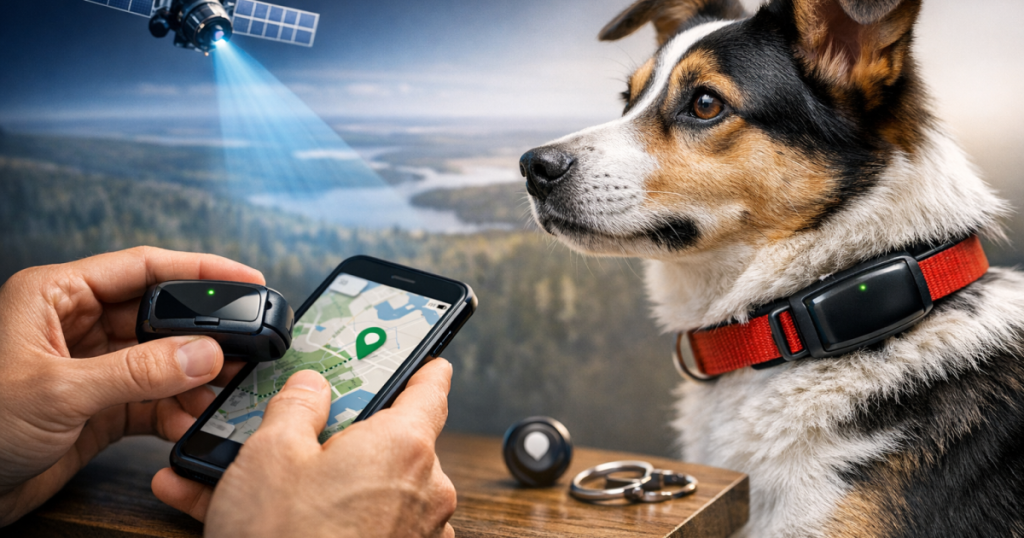
In this guide to set up GPS dog tracker, Getting your GPS dog tracker set up properly is crucial if you want to keep tabs on your furry companion. A well-configured device not only boosts accuracy but also makes the most of what these trackers can do. Whether you’re enjoying long walks or simply need some reassurance, following the right steps can help secure your beloved pet’s safety.
At a glance
- Select the right GPS tracker based on your dog’s size and breed.
- Make sure your device is fully charged before you start using it.
- Download the appropriate app on your smartphone.
- Follow the manufacturer’s guidelines for initial setup.
- Calibrate your GPS tracker for the best accuracy.
- Regularly check your dog’s location through the app.
1. Choose the Right GPS Tracker
Not all GPS dog trackers are made the same, and finding the right one for your dog often hinges on their size and breed. Opt for a model that fits them comfortably, like Tractive GPS Tracker (check price on Amazon), which caters to a variety of breeds. For more useful insights, be sure to check out the Comprehensive Guide to GPS Dog Trackers.
2. Charge Your Device
Before diving into the setup, it’s essential to ensure your GPS dog tracker is fully charged. Inconsistent battery levels can lead to unreliable tracking. Most devices come with a charging cable, so remember to plug it in as per the initial instructions.
3. Download the App
Most GPS dog trackers rely on a smartphone app for full functionality. Make sure you download the specific app that corresponds to your tracker from the App Store or Google Play. This will enable you to access features like real-time updates and geofencing, among others.
4. Follow Manufacturer’s Instructions
Each GPS tracker may come with its own specific needs. Always stick to the setup guide from the manufacturer that’s included in the packaging. This ensures you won’t miss any crucial steps that could impact how well the tracker performs.
5. Calibrate Your Tracker
Calibration is vital for ensuring accurate tracking. Once your device is all set up, take your dog for a short stroll. Keep an eye on how the app displays the location; it should accurately reflect the path you’ve taken. This first calibration will help the device deliver more precise tracking in the future.
6. Monitor Your Dog’s Location
Make it a habit to check the app regularly to confirm that your dog’s location updates accurately. Some trackers even allow you to set geofences, alerting you if your dog wanders outside a certain area. If you notice inconsistent updates, it might be time to revisit the setup or reach out to customer service.
Key takeaways
- Invest in a GPS tracker that suits your dog’s size. (especially for set up GPS dog tracker)
- Fully charge your device before using it for the first time.
- Set up the app correctly to unlock all features.
- Always adhere closely to the manufacturer’s instructions.
- Calibrate your device during the initial setup for optimal results.
- Regularly check and adjust settings as needed.
FAQ
How long does the battery last on GPS dog trackers?
Battery life tends to vary widely; however, many trackers can last anywhere from a few days to a week, depending on how they’re used and their settings.
What if my GPS dog tracker loses the signal?
Signal loss can happen in areas with poor coverage. Make sure your device is situated within a GSM network zone, avoiding dense woods or urban canyons.
Can I track multiple dogs with one app?
Most GPS dog tracking apps allow you the option to add multiple pets, so you can keep track of all their locations from one convenient place.
Are GPS dog trackers waterproof?
Many modern GPS trackers are either water-resistant or waterproof. Just be sure to check the product specifications to confirm.
How accurate are GPS dog trackers?
With the right setup and calibration, many GPS dog trackers can offer real-time accuracy within a range of about 5–10 metres.
Additional Tips for Effective Use
Once your GPS dog tracker is ready to go, keeping an eye on some extra features can really enhance your experience. For instance, if your device has activity tracking, take advantage of it. This feature allows you to monitor your dog’s movements and keep tabs on their exercise levels, ensuring they get the right amount of activity for their age and breed. Regular updates can give you a nudge if your furry friend seems a bit more laid-back than usual, inspiring you to encourage a little more playtime.
Additionally, it’s worth exploring any social features your tracker’s app may offer. Some models let you connect with other users, creating a network of dog owners who can share helpful tips, advice, and even local walking routes. This could be particularly useful if you’re new to an area or on the lookout for new places to explore with your pet.
- See if your tracker includes a virtual fence feature to keep your dog safe within a designated area.
- Make use of alerts for excessive barking or other behaviours, as this can aid in training.
- Keep your app updated to tap into the latest features and improvements.
Remember, your dog’s safety is of the utmost importance. Always check that the tracker fits securely and comfortably, allowing your dog the freedom to explore without any discomfort. Regularly inspect the device for signs of wear and tear, especially after outdoor escapades.
Related reading
- The Comprehensive Guide to GPS Dog Trackers: Benefits, Features, and What to Look for When Choosing the Right One for Your Pet
- Understanding GPS Tracking Technology for Dogs: How It Works and What to Look For
- How to Integrate Your GPS Dog Tracker with Popular Pet Care Apps for Enhanced Safety