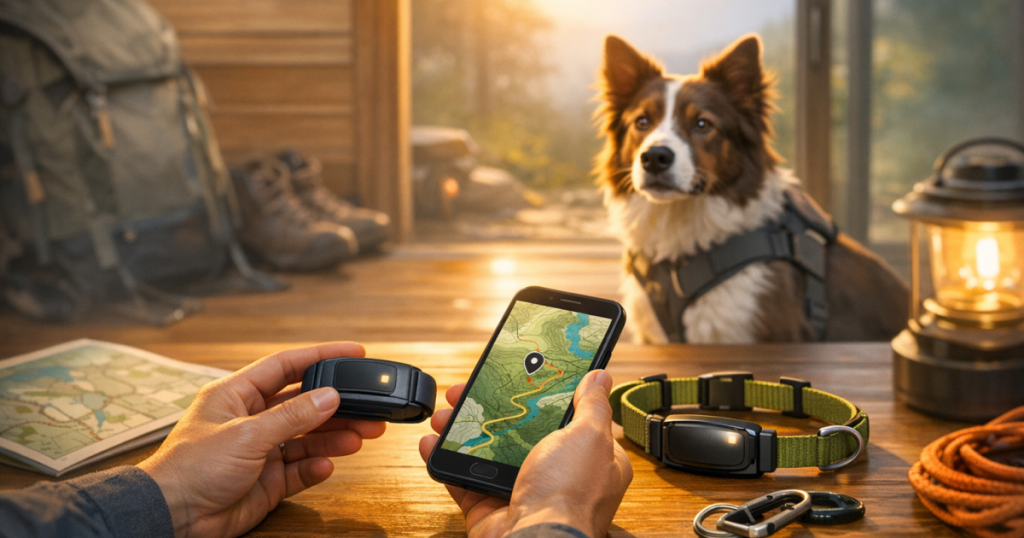
At a glance
- Get to grips with the basics of your GPS dog tracker.
- Select the best mobile app for managing your device.
- Ensure the tracker is fully charged and fits your dog properly.
- Configure geofences for secure exploration.
- Familiarise yourself with the tracking features and alerts.
- Test the device in a safe and controlled environment.
Setting up your GPS dog tracker can really enhance those outdoor adventures with your furry friend. Whether you’re hiking through lush woodlands or strolling along a sandy beach, having a reliable GPS dog tracker means you can keep an eye on your pet’s location and safety. This guide will help you set everything up efficiently. If you’re comparing options, focus on what matters most for setting up GPS dog tracker.
Understanding Your GPS Dog Tracker
Your GPS dog tracker operates using satellite technology, letting you pinpoint your dog’s location in real-time. Before you head outdoors, it’s vital to set it up correctly. Familiarise yourself with the different components and features of your tracker, which typically include a GPS collar, a mobile app, and various notifications for alerts.
Step 1: Choosing the Right Mobile App
Most GPS dog trackers come with specific mobile applications. Be sure to download the right app for your device from your smartphone’s app store. For example, the Whistle GO Explore (check price on Amazon) has a user-friendly interface that helps you monitor your dog’s movements. Always check that the app is compatible with your GPS dog tracker before starting the setup process.
Step 2: Charging and Fitting
Before you head out, double-check that your GPS dog tracker is fully charged. This is particularly important for longer outings. When fitting the collar, make sure it’s snug yet comfortable—there should be enough space to fit two fingers between the collar and your dog’s skin.
Step 3: Setting Up Geofences
Geofencing is an essential feature that lets you define a safe area for your dog’s adventures. Using your mobile app, set up a geofence around your home or the outdoor area you prefer. If your dog steps outside this defined space, you’ll receive immediate alerts, allowing you to relax while enjoying your time outdoors.
Step 4: Familiarising Yourself with Features and Alerts
Most GPS dog trackers come loaded with various features, such as activity monitoring, health tracking, and location alerts. Take some time to explore these functionalities in the app. Knowing how to utilise these alerts can help keep your dog safe and active during your outings.
Step 5: Testing in a Controlled Environment
Before venturing into more remote areas, it’s best to test your GPS dog tracker in a familiar setting. This could be your garden or a nearby park. Let your dog wander around while you keep an eye on their location through the app. This will help you get comfortable with both the device and its functions.
Key takeaways
- Get to know your GPS dog tracker before heading outdoors. (especially for setting up GPS dog tracker)
- Download and select the proper app to manage your tracker.
- Ensure the collar fits comfortably and is fully charged.
- Set geofences for added safety during your explorations.
- Test the gadget before outdoor adventures.
FAQ
What should I do if my GPS dog tracker loses signal?
If your GPS dog tracker loses signal, first check the battery status and the fit of the device. Make sure that your tracker is within the range of GPS satellites. If the issue continues, think about reaching out to customer support for assistance.
How long does the battery of a GPS dog tracker last?
The battery life of a GPS dog tracker can greatly vary. Many models feature a battery life indicator within the mobile app, so it’s wise to check this regularly to avoid any unexpected power issues. You can also find guidance on extending your GPS dog tracker’s battery life.
Can I use a GPS dog tracker on different pets?
While most GPS dog trackers are designed specifically for dogs, some can be used on other pets as well. Always review the manufacturer’s instructions before switching devices between pets.
What features enhance the safety of my dog during outdoor adventures?
Look for GPS dog trackers that include activity monitoring, geofencing for safe zones, and real-time alerts. For more information on important features, check out our article on essential features to look for in future pet tracking technology.
Where should I place the GPS dog tracker for optimal performance?
Make sure the tracker is securely attached to your dog’s collar, ideally positioned on the top side to ensure better visibility to satellites.
To make the most of your experience, consider looking into the health tracking features often included with GPS dog trackers. These can keep tabs on your dog’s activity levels, resting patterns, and even caloric burn, helping you optimise their fitness. By monitoring these metrics, you can ensure your furry friend remains not just safe but also healthy during your adventures.
Additionally, don’t forget to check for software updates regularly, both for the tracker and the mobile app. Manufacturers frequently release updates to improve functionality and fix bugs, which can significantly boost the performance of your device. Being proactive here ensures that you’re getting the very best from your GPS dog tracker.
- Monitor your dog’s health metrics to help them stay fit and active.
- Regularly update your device and app software to guarantee optimal performance.
Related reading
- Setting Up GPS Dog Trackers for Global Coverage
- Essential Features to Look for in Future Pet Tracking Technology
- Top GPS Dog Trackers for Your Canine Companion in 2026