At a glance
- Get to know the different types of GPS trackers available.
- Follow the setup steps to ensure optimal performance.
- Find out how to maintain battery life on your excursions.
- Learn some common troubleshooting techniques.
- Discover how to integrate with smartphone apps.
Introduction
Taking your dog on outdoor adventures can be an absolute joy, but it also comes with its own set of challenges, particularly regarding their safety. Setting up a GPS tracker is a fantastic way to keep tabs on your pet’s whereabouts at all times. With various trackers on the market, let’s explore how to get one set up with ease. If you’re comparing options, focus on what matters most for GPS tracker for outdoor adventures.
Choosing the Right GPS Tracker
The first step is to pick a GPS tracker that suits your dog’s activity level as well as your own preferences. Seek out trackers designed for outdoor use that boast features like real-time tracking, geofencing, and a long battery life. Some popular choices include the Tractive GPS (check price on Amazon) and the Whistle GO Explore.
Setting Up Your Tracker
Now that you’ve chosen your GPS tracker, here’s how to set it up:
- Charge the Device: Make sure your GPS tracker is fully charged before you head out. This will help prevent any unexpected shutdowns during your adventures.
- Create an Account: Download the relevant mobile app and create an account. This gives you access to vital features like tracking and alerts.
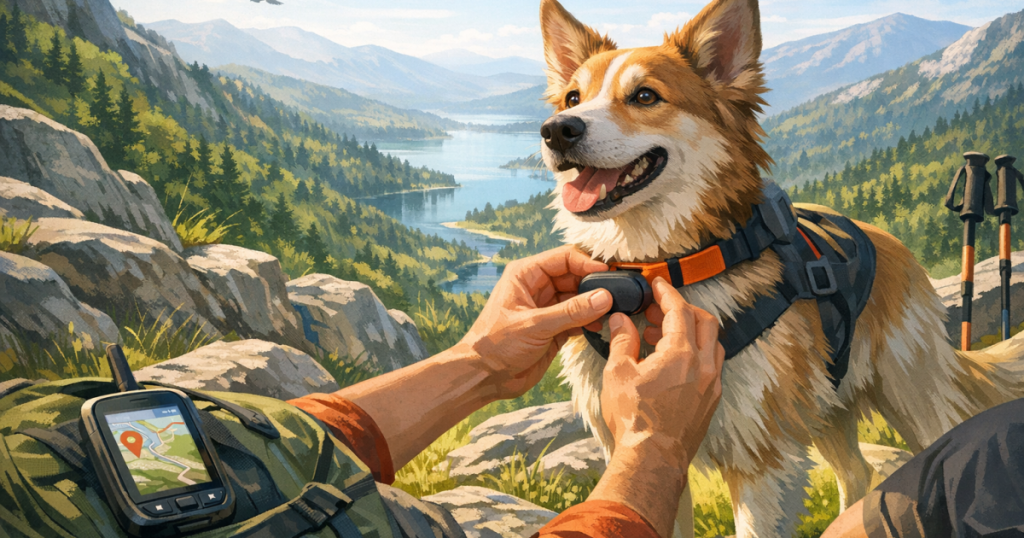
- Attach the Tracker: Securely fasten the GPS tracker to your dog’s collar. It should be snug, but not so tight that it causes discomfort.
- Customise Settings: Adjust the app settings, such as establishing boundaries or alerts for when your dog strays from a designated area.
- Test the Tracker: Before you set off, do a test run in a safe space to confirm that the tracker is working correctly. Ensure the app accurately shows your dog’s location.
Maintaining Battery Performance
Keeping an eye on battery performance is key during long outings. Here are some handy tips to help extend your GPS tracker’s battery life:
- Use battery-saving modes available in the app when you’re not actively tracking.
- Try to limit features like live tracking when they aren’t essential.
- Charge the tracker regularly, particularly before longer trips.
- Consider using sleep modes or turning off the tracker when you’re at home.
Common Issues and Troubleshooting
If you happen to run into any issues with your GPS tracker, here are some straightforward troubleshooting steps:
- Make sure the tracker is charged and turned on.
- Verify that the app is updated to the latest version.
- Restart both the tracker and the mobile app.
- Check that your phone’s Bluetooth and location services are switched on for optimal connectivity.
Integrating with Smartphone Apps
Many GPS trackers offer integration with a range of smartphone apps, providing additional functionality. You can enjoy features such as health monitoring and location history. Exploring these possibilities can really enhance your outdoor adventures with your dog.
When selecting your GPS tracker, also consider your dog’s size and temperament. Larger and more active breeds might benefit from a sturdier device that can handle more rugged terrain. Some trackers are built for added durability, featuring shock resistance, which is especially useful for dogs who love to roam. Additionally, certain brands offer specialised models designed for specific activities like hiking or camping, complete with features like weatherproofing.
Integration with voice-activated assistants can also make things easier. Many trackers are compatible with devices such as Amazon Echo or Google Home, allowing you to check your dog’s location hands-free. This can be quite practical during outings when you’re busy setting up camp or managing other activities while keeping a close eye on your furry friend.
Don’t forget to keep the firmware of your GPS tracker updated, as manufacturers often release updates that enhance functionality and fix any bugs. Regular updates ensure optimal performance and the latest security features, so you can enjoy your adventures with peace of mind.
Related reading
- A Comprehensive Guide to Setting Up Global GPS Tracking for Your Dog
- Improving the Accuracy of Your GPS Dog Tracker
- Steps for Maintaining Your GPS Dog Tracker’s Battery Performance
Key takeaways
- Choosing the right GPS tracker is essential for safe outdoor adventures. (especially for GPS tracker for outdoor adventures)
- Regular charging and maintenance are critical for optimal performance.
- Customise settings to cater to your dog’s needs and the type of adventure you’re on.
- Ensure reliable app integration to enhance tracking capabilities.
- Be prepared with troubleshooting tips to tackle common issues.
FAQ
How far can GPS dog trackers range?
The range can vary by model, but many GPS trackers work well in both urban and rural settings, often able to track several miles.
Can I use a GPS tracker in water?
Many GPS trackers are water-resistant, but it’s best to check the specifics of your model before exposing it to water.
How often do I need to charge the GPS tracker?
This depends on usage and battery capacity. Some trackers can last several days on a single charge; consult the manufacturer’s guidelines for more details.
Is GPS tracking suitable for all dog breeds?
Absolutely; GPS tracking can be advantageous for all breeds, particularly those that are adventurous or have a tendency to wander off.
What additional features should I look for?
Look for features like geofencing, activity monitoring, and health tracking, as these offer added value beyond simple location tracking.