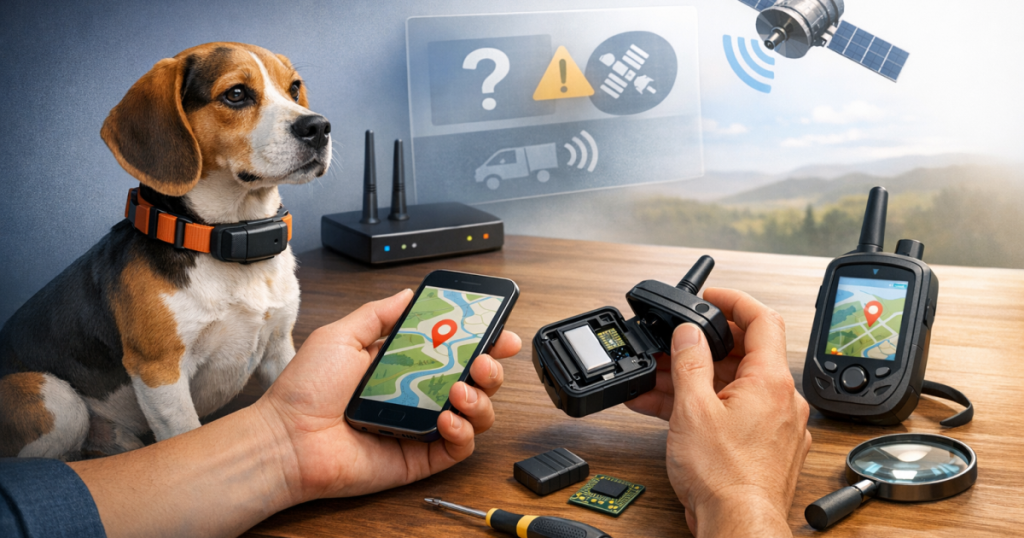
Essential Steps to Troubleshoot Common GPS Dog Tracking Issues
For many pet owners, GPS dog trackers are invaluable for keeping their beloved pets safe during walks and outdoor adventures. However, like any gadget, these devices can sometimes have their quirks. If you find yourself facing challenges with your GPS dog tracker, follow these easy steps to troubleshoot the device and get back to enjoying peace of mind. If you’re comparing options, focus on what matters most for troubleshoot GPS dog tracking issues.
At a glance
- Make sure your GPS tracker is fully charged.
- Check that the device is within range of the GPS signal.
- Look into your mobile app for any connectivity issues.
- Regularly update your tracking app.
- Inspect the physical condition of your GPS tracker.
- Ensure your dog’s collar fits well for optimal GPS performance.
Step 1: Ensure Your GPS Tracker is Fully Charged
Start by checking whether your GPS dog tracker is charged up. Most devices have a battery indicator, but if yours doesn’t, give it a full charge before heading out. A low or dead battery can prevent your tracker from working correctly. You might want to consider models like the Tractive GPS Tracker (check price on Amazon), which offer impressive battery life and handy features.
Step 2: Verify GPS Signal Range
GPS trackers depend on satellite signals, so it’s important to ensure your device is in a good range. Urban environments or thick woods can sometimes block signals. If you’re having trouble, try moving to a more open area to see if that helps. This simple step can make a noticeable difference during your outdoor escapades.
Step 3: Check Mobile App Connectivity
Your GPS tracker generally connects through a mobile app. Make sure your phone’s Bluetooth and mobile data are switched on. You can also try closing and reopening the app to refresh the connection. If you’re still facing problems, check the app’s troubleshooting section or consider reinstalling it completely.
Step 4: Update Tracking App Regularly
Keeping your GPS tracking app up to date is key for getting the best performance. Manufacturers frequently release updates to fix bugs and enhance functionality. Pop into your app store to see if there are any updates available. Installing these updates can often clear up lingering issues.
Step 5: Examine the Physical Condition of Your Tracker
Adventurous outdoor activities can sometimes lead to physical wear and tear. Take a moment to inspect your GPS dog tracker for any signs of damage. Look out for cracks, signs of water damage, or any loose bits. If the damage seems serious, it might be time to think about getting a new one. Brands like Fi Smart Dog Collar are recognised for their durability and robust design.
Step 6: Test Your Dog’s Collar Fit
To ensure the GPS signal works effectively, it’s crucial that the collar fits your dog properly. A collar that’s too loose can shift out of the ideal range, affecting functionality. Adjust it so that it’s snug but comfortable around your dog’s neck. This small adjustment can greatly enhance the tracking performance.
Step 7: Familiarise Yourself with Notification Settings
One of the beneficial features of GPS dog trackers is the ability to receive alerts directly on your smartphone. Make sure you’ve set these notifications up correctly. They can inform you if your dog strays beyond a safe area or if there are any issues with the tracker itself. Customising these alerts can give you peace of mind, allowing you to stay updated on your dog’s whereabouts.
Step 8: Regularly Review Your Dog’s Activity Data
Many GPS trackers provide insights into your dog’s activity levels. It’s a good idea to review this information regularly to gain a clearer understanding of your pet’s habits and to spot any changes that might suggest a health issue. For instance, if your usually lively pup suddenly becomes less active, it could indicate discomfort or illness. Keeping track of this data helps ensure your dog’s overall well-being while maximising the benefits of your GPS tracker.
Additional Tips for Maintaining Your GPS Tracker
- When you’re not using it, store the device in a dry area to prevent moisture damage.
- Make a habit of cleaning the collar and tracker regularly to remove dirt and debris that might hinder performance.
- Think about using a protective case or pouch for extra durability, especially when you’re out on adventures.
Related reading
- Exploring Customer Experiences with GPS Dog Trackers During Outdoor Activities
- A Step-by-Step Guide to Successfully Setting Up a GPS Dog Tracker
- Troubleshooting Common GPS Tracking Problems for Dogs
Key takeaways
- Keep your GPS tracker charged and updated at all times. (especially for troubleshoot GPS dog tracking issues)
- Check both the connection range and the physical state of your device.
- A proper collar fit is essential for great tracking performance.
- Use your mobile app for guidance on troubleshooting and support.
FAQ
What should I do if my GPS tracker won’t turn on?
First, check to see if the tracker is charged. If it still won’t switch on, look for any signs of visible damage or reach out to customer support for further help.
My GPS tracker shows inaccurate locations; what can I do?
This might be due to weak GPS signal reception. Try moving to an area with more openness. Also, ensure that your app and device firmware are up to date.
Can water damage affect my GPS dog tracker?
Yes, water damage can significantly impair your GPS tracker’s functionality. It’s wise to check the device’s waterproof rating before engaging in any activities involving water.
What should I do if I still can’t resolve the issue?
If you’re still having trouble, get in touch with the manufacturer’s customer support for professional assistance or consider having the device inspected.