Introduction
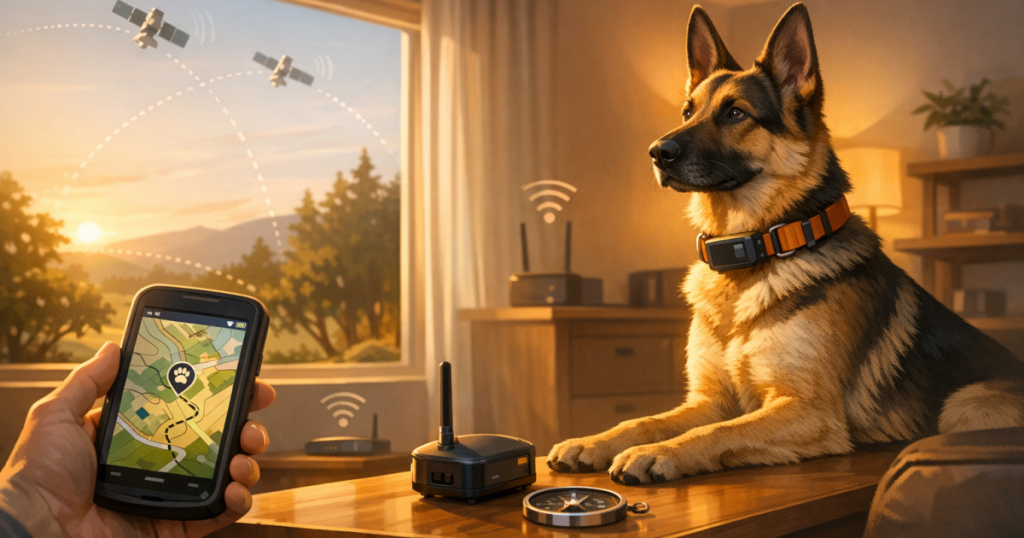
Having a dependable GPS tracker for your dog offers invaluable peace of mind. However, various factors can sometimes affect these devices’ accuracy. In this article, we’ll delve into some practical ways to enhance GPS accuracy for dog trackers, so you’ll always know where your furry friend is. If you’re comparing options, focus on what matters most for improve GPS accuracy for dog trackers.
At a glance
- Understand the factors that interfere with GPS signals
- Regularly update your tracker’s firmware
- Choose the best collar placement
- Make the most of mobile app features
- Be aware of battery life impacts
Understanding GPS Signal Interference
The accuracy of GPS trackers can often be compromised by environmental factors. In urban areas, for example, tall buildings and dense forests can lead to inaccurate readings. Ensuring that your dog’s tracker has a clear line of sight to the sky will significantly improve its accuracy.
Keeping Firmware Updated
GPS trackers frequently need firmware updates to eliminate bugs and enhance performance. It’s a good idea to check the manufacturer’s website or the mobile app linked to your device for updates. For instance, models like the Tractive GPS (check price on Amazon) often receive updates that bolster their tracking features.
Optimal Collar Placement
How you position the GPS tracker on your dog can also influence its accuracy. For the best results, place the device high on the collar or harness to ensure a clearer signal. Keep it away from lower placements, as the tracker might struggle to maintain a strong connection in some environments.
Making the Most of Mobile App Features
Many GPS dog trackers come with dedicated mobile applications that can enhance tracking efficiency. These apps may offer features like geofencing, location history, and notifications. By using these enhancements, you can keep a better watch on your dog’s movements and enrich your tracking experience. For tips on integrating these features, take a look at this helpful guide.
Maintaining Battery Life
Battery life plays a crucial role in GPS accuracy. A low battery might not send consistent tracking updates. Be sure to check and maintain your GPS tracker’s battery by following advice found in this article. Consider models that boast long battery life for uninterrupted tracking.
Key takeaways
- GPS accuracy can be influenced by various environmental elements. (especially for improve GPS accuracy for dog trackers)
- Regular firmware updates are essential for peak performance.
- Proper collar placement boosts GPS signal strength.
- Mobile apps offer extra features for improved tracking.
- Maintaining battery life is key for consistent functionality.
FAQ
What factors can affect GPS accuracy?
Environmental interferences such as tall buildings, dense forests, and limited satellite visibility can reduce GPS accuracy.
How often should I update my GPS tracker?
It’s wise to check for updates every few months or whenever the manufacturer sends out a new version.
What is the best way to keep my dog’s GPS tracker charged?
Using a dedicated charging station can make a difference. It’s a good idea to establish a routine of charging the device weekly or bi-weekly, depending on the battery life of the model.
Can I track multiple dogs with one GPS device?
Many GPS trackers allow you to track more than one dog, but ensure you select a model designed for multiple pets.
What should I do if my GPS tracker fails to work?
Start by checking the battery and ensure that it’s properly connected. If the problem persists, consult the manufacturer’s troubleshooting guide.
To make the most of your GPS tracking experience, consider the types of environments your dog frequents. If you live in a rural area with open fields, you might find the signal is more reliable than in urban spaces full of obstacles. It can be helpful to conduct regular tests in various locations to see how your device performs under different conditions.
If your dog enjoys swimming or spending time in wet areas, take extra care. While most modern GPS trackers are water-resistant, prolonged exposure to water can impact their functionality over time. Consider getting protective cases for your tracker that enhance durability, especially during outdoor adventures like beach trips or river walks.
Finally, involving your dog in some training to get used to wearing the GPS collar can be beneficial. Start with short sessions, gradually increasing the duration until it becomes a seamless part of their routine. This helps ensure your dog is comfortable with the device, reducing the chances of it being shaken off or damaged during play.
Related reading
- Heartwarming Tales of Lost Dogs Found Thanks to GPS Trackers
- A Step-by-Step Guide to Setting Up Your GPS Dog Tracker
- Exploring Customer Experiences with GPS Dog Trackers During Outdoor Activities