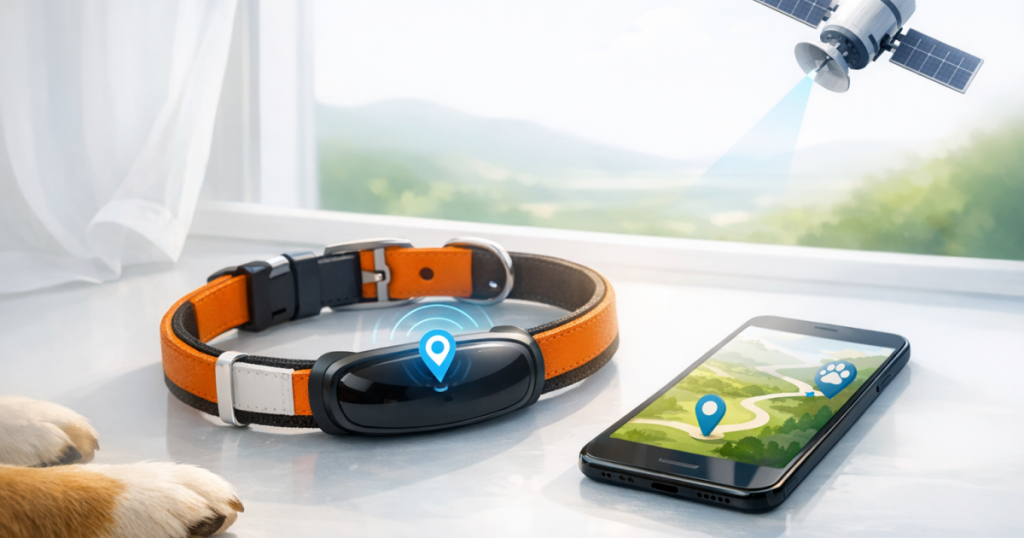
Keeping Your Pet Safe with Technology
Setting up a GPS dog tracker is a brilliant way to keep your furry friend safe while also giving yourself some peace of mind. These handy devices let you monitor your dog’s location in real-time, so if they happen to wander off, you can easily find them. In this guide, we’ll go through some practical steps to set up your GPS dog tracker effectively. If you’re comparing options, focus on what matters most for set up a GPS dog tracker.
At a glance
- Choose the right GPS dog tracker for your pet’s needs.
- Download and install the necessary mobile app.
- Follow the manufacturer’s instructions for setup.
- Ensure your device is charged and in range.
- Test the tracking feature to ensure it works correctly.
- Familiarise yourself with alert settings for added security.
Step-by-Step Setup Guide
1. Choose the Right GPS Dog Tracker
It’s important to pick a GPS dog tracker that fits your dog’s size and lifestyle. For smaller breeds, consider products like the Tractive GPS Tracker (check price on Amazon), which is specifically made for tiny pets. Before making a purchase, be sure to check the specifications, including battery life and coverage areas.
2. Download the Mobile App
Once you’ve got your GPS dog tracker, the next step is to download the corresponding mobile app as suggested by the manufacturer. Most brands offer apps compatible with both iOS and Android, so install the app and set up your account.
3. Follow the Manufacturer’s Instructions
Each GPS dog tracker comes with its own set of setup guidelines. It’s best to follow these instructions closely to ensure your device works properly. Generally, you’ll need to power on the device and activate it through the app.
4. Charge the Device
Before you start using your tracker, make sure it’s fully charged. Many GPS trackers include USB charging cables. It’s a good idea to keep the charger accessible and check the battery status regularly.
5. Test the Tracking Feature
After charging the device, it’s time to see how well it works. Take your dog to a spot with strong network coverage and check the tracking feature on the app. Get to know how to find your dog’s location points on the map.
6. Set Up Alerts
Making use of alert settings in the app can greatly enhance your pet’s safety. Many GPS trackers let you set geofences, so you’ll get notifications if your dog leaves a designated area. Be sure to explore all the available alert options in your app.
Key takeaways
- Select a GPS dog tracker appropriate for your dog’s size. (especially for set up a GPS dog tracker)
- Download the correct app for seamless operation.
- Carefully follow setup instructions from the manufacturer.
- Regularly charge your device for optimal tracking.
- Test the setup to ensure accurate location tracking.
FAQ
How often should I charge my GPS dog tracker?
The charging frequency will depend on your tracker’s battery life. Check the manual for the manufacturer’s recommendations, but most devices typically need recharging every few days or weekly.
Can I use a GPS tracker for multiple dogs?
Absolutely, many apps allow you to add multiple devices so you can easily keep an eye on more than one dog. Just ensure that each dog has its own tracker for the best results.
What should I do if the GPS tracker isn’t working?
If things aren’t working as they should, first check the battery level and make sure it’s charged. If you’re still having trouble, consult the manufacturer’s troubleshooting section, or take a look at our guide on essential steps to troubleshoot common GPS tracking issues for further assistance.
Is the GPS dog tracker water-resistant?
Most modern GPS dog trackers are designed to be water-resistant. However, it’s always wise to check this feature in the product specifications before using it.
Exploring features beyond basic tracking can truly enhance your experience with a GPS dog tracker. Some models, for instance, offer activity monitoring, which not only keeps tabs on your dog’s location but also tracks their exercise levels. This can be a great way to promote a healthier lifestyle for your furry companion while ensuring they enjoy enough playtime during your busy days. These insights can help in adjusting your dog’s routine and even spotting potential health issues early on.
Additionally, consider having a backup plan. In the rare scenario where your dog might lose their GPS collar—maybe while having a romp in the park—having a secondary identification method, like a microchip, can be invaluable. This way, if your pet wanders too far and their tracker is missing, they can still be identified and safely returned to you.
Furthermore, getting involved with online communities can be beneficial. Many pet owners share their thoughts and experiences regarding different GPS trackers, highlighting features they find particularly useful or any shortcomings they’ve come across. Engaging in these discussions can provide you with insights into the most reliable devices and keep you informed about any updates or new features that are available.
- Look for trackers that offer additional features like health monitoring to keep your pet fit.
- Consider microchipping as a backup identification method for your dog.
- Join online forums or social media groups to connect with other pet owners.
Related reading
- Maximising Your GPS Dog Tracker for Camping Adventures
- Exploring Customer Experiences with GPS Dog Trackers During Outdoor Activities
- Exploring GPS Dog Trackers with Exceptional Global Coverage