Introduction
Keeping your GPS dog tracker charged is essential for ensuring your beloved pet stays safe during their outdoor escapades. A fully charged device gives you peace of mind, especially while exploring nature. In this guide, we’ll share some handy tips to help you extend the battery life of your GPS dog tracker. If you’re comparing options, focus on what matters most for maintaining battery life of GPS dog tracker.
At a glance
- Charge your tracker completely before use.
- Keep your GPS tracker clean and unobstructed.
- Utilise power-saving modes when they’re available.
- Check the health of your battery regularly and replace it if necessary.
- Avoid exposing the tracker to extreme temperatures.
Proper Charging Techniques
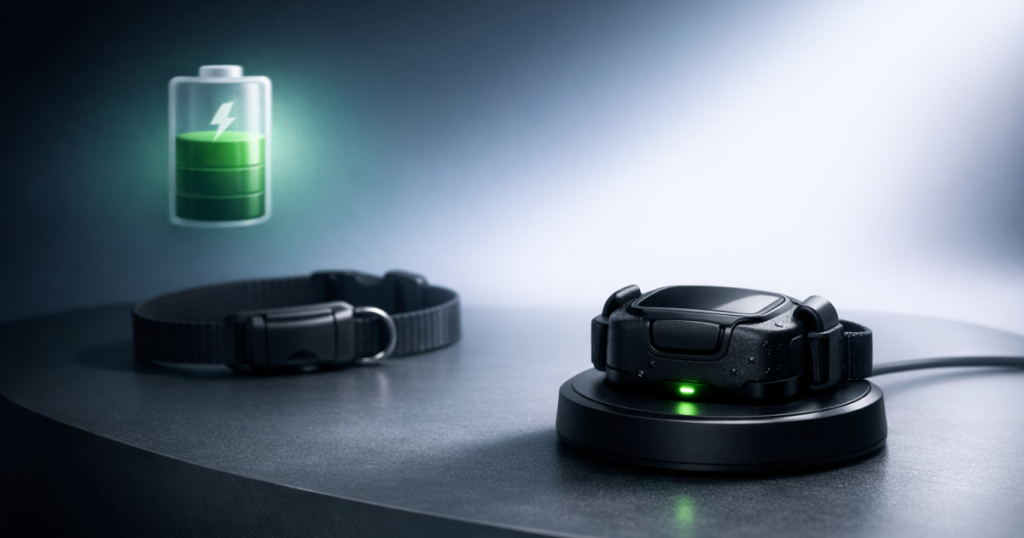
Begin by ensuring your GPS dog tracker is charged correctly. Most trackers come with their own charger or a USB cable. It’s a good idea to fully charge the device before its first use. Using the manufacturer’s charger helps optimise battery efficiency, while overcharging can harm the battery life in the long run.
Utilising Power-Saving Features
Many modern GPS dog trackers are equipped with power-saving modes. These features can significantly extend battery life by reducing the frequency of location updates or lowering the tracking intensity. Take some time to get familiar with your model’s settings so you can use these features during quieter moments, like when your dog is snoozing at home.
Regular Maintenance Checks
Inspecting your device regularly is crucial for preserving battery life. Dust and grime can hinder connections, affecting the charging process and overall battery efficiency. A gentle wipe of the terminals with a soft, dry cloth will ensure a solid connection. If your tracker has removable batteries, check their condition periodically, replacing them if they show signs of wear or reduced performance.
Temperature Considerations
Extreme temperatures can seriously impact the battery life of your GPS dog tracker. Try to avoid leaving the device in direct sunlight or frigid conditions for long stretches. When hiking or camping, it’s best to store the tracker in a pocket or a shaded area to prevent overheating or freezing, both of which can reduce battery performance.
Disabling Unused Features
GPS dog trackers often boast a range of features such as notifications, activity tracking, and other smart capabilities. If certain features aren’t needed during specific outings or day-to-day use, consider switching them off. Every active feature draws power, so turning off those you don’t need can help conserve battery life.
Using Tracking Wisely
When using the GPS tracker, think strategically about when to switch it on. For instance, if you’re just taking your dog for a walk in the neighbourhood, keep the device in standby mode until you reach more open spaces where tracking becomes more useful. This method can significantly save on battery power.
Key takeaways
- Charge your GPS dog tracker correctly and avoid overcharging. (especially for maintaining battery life of GPS dog tracker)
- Use power-saving features to extend battery longevity.
- Regular maintenance and cleanliness will enhance performance.
- Temperature can affect battery life; store your device properly.
- Disabling unnecessary features will help reduce power use.
FAQ
How long does the battery of a GPS dog tracker typically last?
Battery life can vary based on the model and usage, but it usually lasts from several days to a couple of weeks on a full charge, depending on the features you’re using.
Can I replace the battery in my GPS dog tracker?
Many GPS dog trackers come with rechargeable batteries that aren’t designed to be replaced. Be sure to check the specifications for your specific model.
What should I do if my GPS dog tracker isn’t holding a charge?
If your device isn’t holding a charge, first inspect the charger for any damage, clean the terminals, and check for updates. If the issues persist, it’s best to consult customer support.
Are there GPS trackers with longer battery life?
Absolutely, some models are specifically designed for extended battery life, particularly those intended for outdoor activities. It’s worthwhile to research options that feature lower power consumption.
How can I maximise battery life during outdoor adventures?
Make use of power-saving modes, turn off any unused features, and ensure your device is fully charged before heading out. Keep an eye on the battery status while you’re on the move.
Another important aspect of maintaining your GPS dog tracker’s battery is to keep an eye on the software. Manufacturers regularly release updates that can boost performance and efficiency. Don’t forget to check for firmware updates on the app or website linked to your tracker; these updates often include crucial enhancements for battery life. Some devices even allow you to set reminders for when updates are available, keeping you always up to date.
It’s also wise to choose GPS dog trackers with features that suit your specific needs. For instance, Tractive GPS Tracker (check price on Amazon) offers options like live tracking and an activity monitor, which can be especially helpful for energetic dogs. On the other hand, if your pet tends to stay close to home, opting for a model that prioritises battery longevity over extra features might be a better choice. Investing a bit of time in understanding your tracker’s functionalities can significantly enhance battery management during use.
Lastly, consider your dog’s lifestyle when thinking about battery usage. If you often engage in outdoor activities, having a portable charging solution handy could be advantageous. A compact power bank lets you recharge your device while you’re out and about, ensuring your furry companion is always monitored. Keeping these practical tips in mind can really enhance your overall experience with your GPS tracker.
Related reading
- A Step-by-Step Guide to Setting Up Your GPS Dog Tracker
- Maximising Your GPS Dog Tracker for Camping Adventures
- Smart Strategies to Extend the Battery Life of Your GPS Dog Trackers