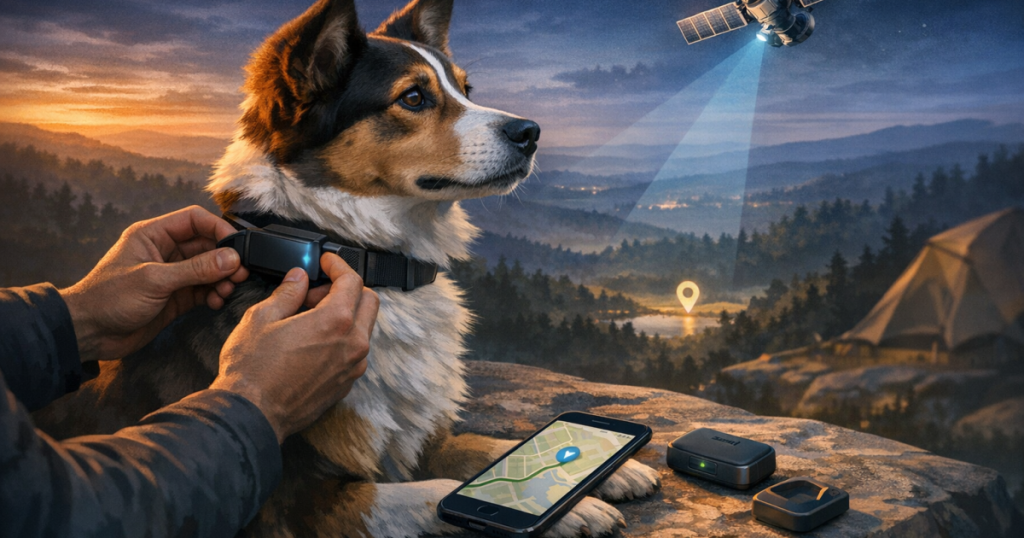
At a glance
- Understand the importance of GPS tracking for dogs.
- Choose the right GPS tracker for your needs.
- Follow steps to set up and integrate the device.
- Learn how to maintain the device for long-term use.
- Explore options to enhance tracking accuracy.
With the latest developments in GPS technology, keeping track of your beloved dog has never been simpler. Setting up a GPS tracker for your pooch means you can find them quickly, giving you peace of mind while you enjoy outdoor escapades together. In this guide, we’ll walk you through the essential steps to effectively set up your dog’s GPS tracker. If you’re comparing options, focus on what matters most for set up GPS tracking for your dog.
Choosing the Right GPS Tracker
The first step involves selecting a GPS tracker that caters to your dog’s specific needs. There’s a wide array of choices available, featuring various functionalities like real-time tracking, geofencing, and even fitness monitoring. Here are a few popular models to consider:
- Tractive 4G LTE GPS Tracker (check price on Amazon) for real-time tracking.
- Whistle 3 GPS Tracker for those who want health monitoring features.
- Fi Smart Dog Collar for a sturdy design and great battery life.
Make sure to verify the specifications to ensure you pick a model that meets your requirements. Also, check if it’s compatible with your smartphone and whether a subscription fee is involved.
Steps to Set Up Your GPS Tracker
- Unbox and Charge: Start by taking your GPS tracker out of the box and fully charging it. This sets the stage for optimal performance.
- Download the App: Most trackers come with their own app. Be sure to download it on your smartphone from the relevant app store before you go any further.
- Create an Account: Sign up for an account in the app. You’ll generally need to enter a few personal details and an email address.
- Pair Your Device: Follow the instructions in the app to connect your GPS tracker to your smartphone. Don’t forget to enable Bluetooth!
- Test the Tracker: Once paired, take your dog on a short walk while keeping an eye on the app. This ensures that location updates are working as they should.
- Set Up Geofencing: If your tracker has this feature, set boundaries so you’ll get alerts if your dog wanders off.
After you’ve set everything up, be sure to test it thoroughly. It’s important that the app updates the location promptly and that all features work correctly.
Maintaining Your GPS Tracker
To ensure effective GPS tracking, minimising downtime is crucial. Here are some handy maintenance tips:
- Charge Regularly: Keep the tracker charged, ideally on a daily basis, especially if your dog loves to roam.
- Check for Firmware Updates: Regular updates can improve performance and resolve issues. Make sure your app notifies you of available updates.
- Conduct Regular Tests: Every few weeks, run a test to confirm that tracking remains accurate and that everything is functioning properly.
- Cleansing the Device: Give the device a clean from time to time to remove any dirt or debris that might affect its performance.
Improving Accuracy
Occasionally, you might find that the tracking accuracy could use a little extra attention. Here are some tips to enhance precision:
- Check Signal Strength: Ideally, operate in areas with a robust network signal. GPS is most reliable in open spaces.
- Regular Repositioning: Shift the collar position regularly to optimise signal acquisition; a snug collar might impede performance.
- Calibration: Some trackers allow you to calibrate the device. Be sure to follow the instructions in the manual for this process.
When choosing a GPS tracker, think about how it fits into your dog’s daily routine. For instance, if your furry friend enjoys swimming or playing in muddy fields, opting for a waterproof model is a must. Many trackers, such as the Fi Smart Dog Collar, combine excellent features with durability, ensuring they can handle adventurous outings.
It’s also beneficial to explore models that offer multiple user access. This allows family members to track your dog at the same time, which is particularly helpful if your pet has a tendency to wander off or frequently spends time with dog sitters. Shared access can simplify coordination.
Lastly, keep an eye out for seasonal discounts or bundle offers when you’re shopping for trackers. Investing in extra accessories like protective cases or extended warranty plans can also be a wise choice, making sure your dog’s GPS tracker remains functional and well-cared for over time.
Related reading
- Setting Up a GPS Tracker for Outdoor Adventures with Your Dog
- A Comprehensive Guide to Setting Up Global GPS Tracking for Your Dog
- Real Customer Experiences with GPS Dog Trackers
Key takeaways
- Choose a GPS tracker that suits your dog’s lifestyle and your needs. (especially for set up GPS tracking for your dog)
- Proper setup includes charging, downloading the app, and pairing for a smooth experience.
- Regular maintenance and testing are essential for long-lasting success.
- Boost tracking accuracy by keeping an eye on signal strength and performing tests often.
FAQ
What is the best GPS tracker for my dog?
The best GPS tracker will depend on your dog’s specific needs. Models like the Tractive 4G LTE GPS Tracker are often praised for their reliability.
How do I charge my GPS dog tracker?
Charging usually involves a USB cable. Simply plug it into a suitable power source until it’s fully charged, following the manufacturer’s instructions.
Will GPS tracking affect my dog’s behaviour?
Most dogs adjust nicely to wearing a GPS tracker, allowing them greater freedom while their owners can keep track of their movements.
How far can a GPS tracker work?
GPS trackers work effectively as long as they have a clear view of the sky and a strong cellular signal, enabling tracking over considerable distances.
Do I need a subscription for GPS tracking?
Many GPS trackers do require a monthly subscription for data and connectivity services, so be sure to check the specific requirements prior to purchase.