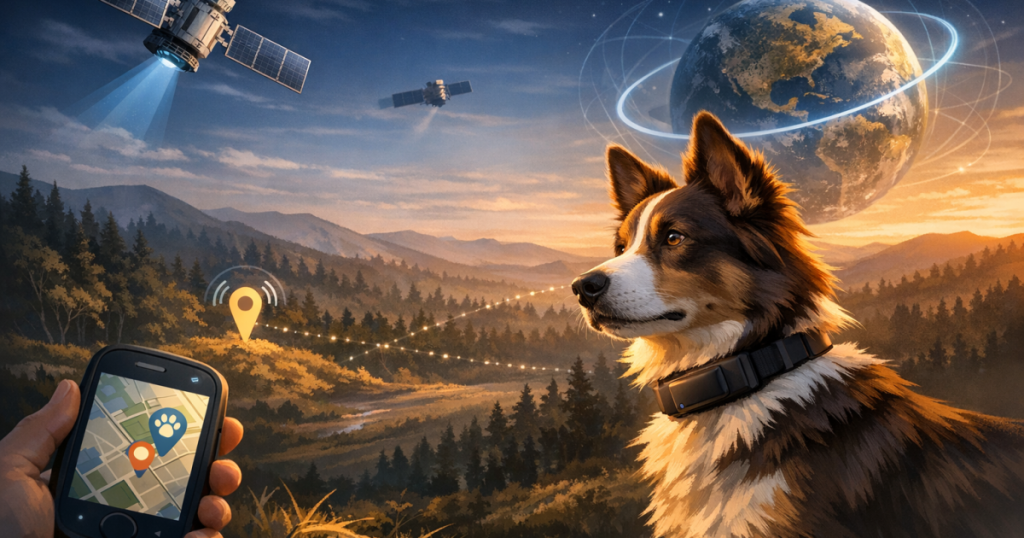
For dog owners, ensuring the safety of our furry companions is incredibly important. The advent of GPS technology in dog trackers has changed the way we keep an eye on our pets. These clever devices not only locate your dog’s whereabouts but also provide insights that help you understand their behaviour and movements. If you’re comparing options, focus on what matters most for GPS technology for dog trackers.
At a glance
- GPS trackers offer real-time location updates for your dog.
- This technology operates through satellites and mobile networks.
- Notable features include geofencing, activity tracking, and alerts.
- There are various models available to suit different needs and budgets.
- Regular maintenance is crucial for optimal tracker performance.
How GPS Technology Works
At its essence, GPS technology functions through a network of satellites. These satellites send signals to the GPS receivers embedded in dog trackers. By triangulating signals from at least three satellites, the device accurately calculates your dog’s location, usually within a few metres.
When paired with a mobile app, a GPS tracker allows users to receive real-time updates on their pet’s movements. For instance, if your dog decides to wander beyond the confines of your garden, you’ll get an instant notification on your smartphone. This geofencing feature is a fantastic way to enjoy peace of mind while allowing your dog the freedom to explore.
Features to Look For
When selecting a GPS dog tracker, think about features that can enhance usability and reliability:
- Geofencing: Set virtual boundaries, and you’ll be alerted if your dog crosses into an unauthorised area.
- Activity Tracking: Keep an eye on your dog’s daily activities, from exercise levels to rest periods.
- Battery Life: Opt for longer battery life to minimise charging, which is perfect for active dogs.
- Waterproofing: Look for waterproof models, ensuring they can handle wet conditions.
If you’re after reliable tracking, the Tractive GPS Tracker (check price on Amazon) stands out as a solid option, packed with features aimed at keeping your pet safe.
Maintaining Your GPS Tracker
To help your GPS dog tracker last longer, regular maintenance is key. Here are a few tips:
- Keep it Charged: Frequently check the battery and charge it when necessary to maintain connection.
- Clean the Device: Prevent dirt build-up that could hinder its effectiveness, especially in outdoor environments.
- Update Firmware: Periodically check for updates to ensure your tracker has the latest enhancements and fixes.
For specific maintenance strategies, have a look at my article on how to properly maintain your GPS dog tracker.
To make the most out of your GPS tracker, regularly review your pet’s activity data. By understanding your dog’s daily routines, you can gain insights into their health and behaviour. For example, a sudden drop in activity might suggest that your dog isn’t feeling quite right or needs a bit more stimulation. Keeping an eye on these patterns helps to ensure your dog stays happy and healthy.
Additionally, consider the environment where your dog usually roams. Some terrains, such as dense woods or urban areas with tall buildings, can pose challenges for GPS trackers, as they may obstruct signals. In such scenarios, having a backup method, like a reflective collar or ID tag, can offer extra reassurance when your dog is off-lead.
- Choose the Right Size: Make sure the tracker fits comfortably. A bulky device might irritate your pet, whereas a smaller one could easily be lost.
- Explore Compatibility: Confirm that the GPS tracker works seamlessly with your smartphone and other smart devices for a smoother tracking experience.
- Understand the Subscription Costs: Some GPS trackers may require monthly or yearly subscriptions for certain features. It’s wise to include this in your budget considerations.
These thoughtful measures can enhance the overall functionality of your GPS dog tracker and contribute to a safer, more enjoyable experience for both you and your pet.
Related reading
- Understanding GPS Tracking for Dogs: How Technology Enhances Pet Safety and Owner Peace of Mind
- The Comprehensive Guide to GPS Dog Trackers: Benefits, Features, and What to Look for When Choosing the Right One for Your Pet
- How to Set Up Your GPS Dog Tracker for Maximum Accuracy
Key takeaways
- GPS technology enables real-time tracking, significantly enhancing pet safety. (especially for GPS technology for dog trackers)
- Understanding how the technology works assists in selecting the appropriate device.
- Geofencing and activity tracking are crucial features for pet owners.
- Taking care of your tracker ensures it remains reliable and lasts longer.
FAQ
How does GPS tracking technology work in dog trackers?
GPS trackers utilise signals from satellites to pinpoint your pet’s location, which is then transmitted to your smartphone or app.
What features should I look for in a GPS dog tracker?
Key features to consider include geofencing, activity tracking, waterproofing, and battery life.
Can I track my dog in real-time?
Absolutely, most GPS dog trackers offer real-time tracking through a compatible mobile app.
How often should I charge my GPS dog tracker?
This varies by model; however, most need charging every few days, especially if they come with advanced features.
What happens if my dog leaves the geofenced area?
You’ll receive an instant alert on your phone, allowing you to respond swiftly.
Are GPS dog trackers waterproof?
Many modern models are waterproof, but it’s essential to check the specifications before making a purchase.