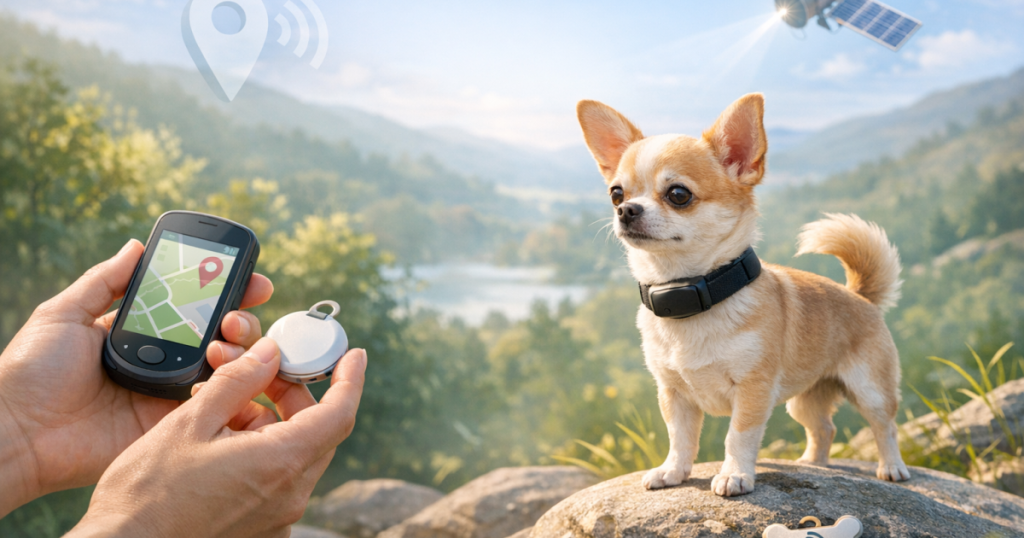
How to Choose a GPS Tracker for Small Dog Breeds
Keeping your small dog safe is incredibly important for every pet owner. One effective way to ensure your furry companion is secure is by investing in a reliable GPS tracker. With so many options on the market, how do you choose the very best for small dog breeds? This guide will walk you through the key factors to consider, helping you make the right choice for your pet’s safety. If you’re comparing options, focus on what matters most for GPS tracker for small dog breeds.
At a glance
- Go for a lightweight tracker that’s perfect for small dogs.
- Check if it offers real-time tracking features.
- A long battery life will save you from constant recharging.
- Ensure it works seamlessly with your smartphone and has a user-friendly app.
- Don’t forget to think about subscription costs for premium features.
- Look through reviews and success stories to see how effective it is.
Essential Considerations
Here are some crucial aspects to keep in mind when choosing a GPS tracker for your small dog:
Size and Weight
GPS trackers for smaller breeds should be lightweight and compact. If the device is too bulky, it can be uncomfortable for your pet and might even lead to it getting lost. So, do look for trackers specially designed for smaller dogs.
Real-Time Tracking
It’s a good idea to opt for a GPS tracker that offers real-time tracking. This allows you to monitor your dog’s location instantly through an accompanying mobile app, which gives you much-needed peace of mind as you’ll always know where your furry friend is.
Battery Life
Small dogs can get into all sorts of mischief, so a device with a long-lasting battery is essential. Choose trackers that can last several days on a single charge, reducing the hassle of having to plug it in often. You can find useful tips on maintaining battery performance for your GPS dog tracker.
App Compatibility
Your GPS tracker should come with an easy-to-use mobile app that’s compatible with your smartphone. This will let you track your dog’s location effortlessly, receive alerts, and check for any issues. If you’re interested, you can find information about common problems with GPS tracker connections here.
Subscription Fees
Many GPS trackers offer basic tracking features for free but may require a subscription for advanced functionalities, like geofencing and detailed tracking history. Be sure to review these costs upfront to avoid any surprises later on.
Reviews and Success Stories
Reading what other customers say about GPS dog trackers can be quite enlightening. Success stories often reveal which products truly live up to their claims. You can find heartening tales of how GPS trackers have helped reunite lost pets here.
When you’re selecting the right GPS tracker, consider the tracking range as well. Some devices are geared towards local use and may only be effective within certain areas, while others can operate over longer distances. This aspect can be especially useful if you live in a rural location or often take your dog on adventures where they might wander off.
Another feature you might want to think about is the durability of the tracker. Small dogs can be energetic and playful, so their gear needs to handle some rough and tumble. Opt for trackers that are waterproof or resistant to dust and dirt; this way, you can be sure it will continue to function, no matter the weather.
Furthermore, many modern GPS trackers offer extra functionalities beyond just tracking your dog’s location. For instance, some models let you set up geofencing zones that will alert you if your dog steps outside a designated area. This can be incredibly valuable for keeping your pup safe, whether in busy environments or even in your own garden.
- Example check: Take a look at the Whistle GO Explore (check price on Amazon), which offers both tracking and health monitoring capabilities.
Related reading
- Troubleshooting Common GPS Tracking Problems for Dogs
- Heartwarming Success Stories: GPS Trackers Making a Difference for Lost Dogs
- Guide to Setting Up GPS Tracking for Your Dog
Key takeaways
- Make sure the tracker is lightweight and specifically meant for small dog breeds. (especially for GPS tracker for small dog breeds)
- Prioritise real-time tracking features to receive instant location updates.
- Choose a GPS with long battery life to minimise the need for constant charging.
- Confirm app compatibility to ensure straightforward operation.
- Take subscription costs into account if you want extra features.
FAQ
Can I use a regular GPS tracker for my small dog?
It’s advisable to use a GPS tracker that’s specifically designed for pets, as these devices are lightweight and made to withstand the activities of pets.
What is the best battery life I should look for in a GPS tracker?
A battery life of at least 5 days is perfect for most small dog GPS trackers, allowing you to keep recharging to a minimum.
Do I have to pay monthly for GPS dog trackers?
Many GPS trackers offer both free and premium features. While basic tracking may be available at no charge, advanced options typically require a monthly subscription.
Is the app easy to use for tracking my dog?
Most pet GPS trackers come with user-friendly apps. It’s wise to check app reviews to ensure it’s easy to navigate before making a purchase.
How can I secure my GPS tracker on my small dog?
Look for trackers that come with secure collars or reliable attachment methods. A proper fit is essential to prevent your dog from losing it during playtime.